
Blog
Interpretation of the Quality Assurance Period for Automotive Radiators: The Durability Code from Design to Decommissioning

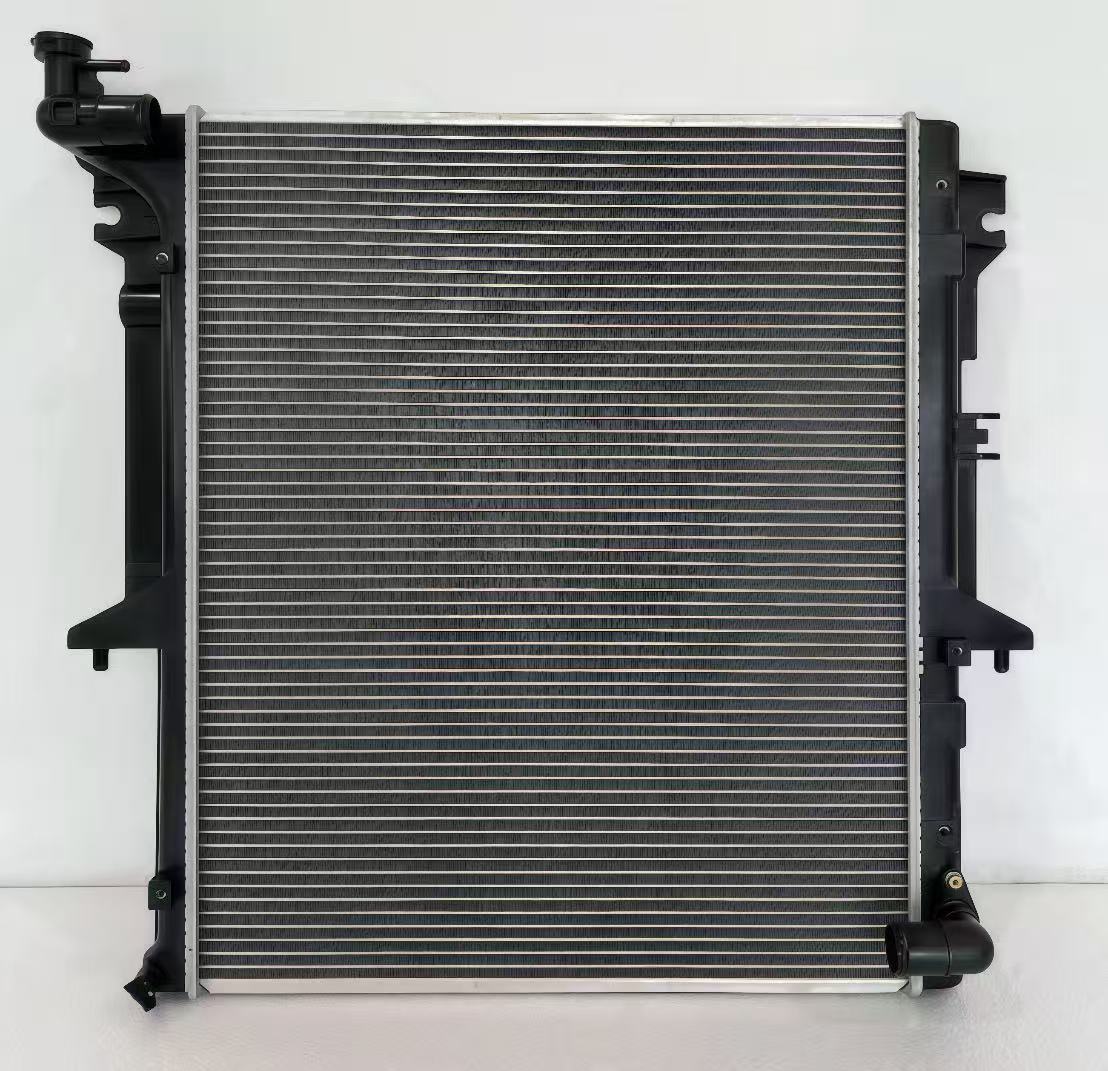
As the “core cooling officer” of the engine cooling system, the automotive radiator undertakes the crucial responsibility of transferring engine heat to the air and maintaining the normal operating temperature of the engine. The duration of its quality assurance is not a fixed value; instead, it is influenced by multiple factors such as material technology, service environment, and maintenance methods, presenting the characteristic of “basic design life + dynamic attenuation”. Below, with the radiator as the core, we will elaborate on the rules and judgment methods for the quality assurance period of automotive parts.
I. The “Basic Quality Assurance Period” of Radiators: The Durability Bottom Line at the Design Level
From the perspective of original factory design, the quality assurance period of a radiator is similar to that of the core mechanical components of the entire vehicle, falling into the category of “long-life parts”. Its basic durability is mainly determined by materials and structure:
1.Strong Material Compatibility: Supports optimized combination of multiple materials
2.Convenient Maintenance and Replacement: Reduces later maintenance costs
- If a traditional welded radiator suffers local damage (such as core liquid leakage or cracking of the water inlet and outlet chambers), it often needs to be replaced entirely. However, mechanically assembled radiators have significant maintenance advantages:
- Detachable Components: The water inlet and outlet chambers, core, sealing rings, etc., are connected through mechanical structures. When damaged, they can bedisassembled and replaced individually (e.g., only replacing the aged sealing ring or the deformed core unit), without scrapping the entire radiator. This reduces maintenance costs by 60% – 80%.
3.High Structural Stability: Reduces thermal stress damage
- Relieves deformation caused by thermal expansion and contraction
When the engine is running, the radiator repeatedly undergoes temperature changes of “high temperature (coolant circulation) – low temperature (shutdown cooling)”. The difference in thermal expansion coefficients between different materials (such as aluminum cores and copper water chambers) will generate thermal stress. Through “flexible connections” (such as buckles with buffers and bolt structures that allow slight displacement), mechanical assembly allows small relative movements between components.
- Strong Adaptability of Pressure-bearing Capacity
For low and medium pressure cooling systems (e.g., the coolant pressure of passenger car engines is usually 0.15 – 0.3MPa), mechanical assembly can maintain stable pressure through sealing ring sealing and bolt/buckle fastening. If the system pressure needs to be increased later, it can be achieved by replacing fasteners or seals with higher strength, without reconstructing the overall structure. This offers higher modification flexibility compared to welded radiators.
It should be noted that the “quality assurance period” marked by the original factory (for example, some automobile manufacturers provide a 3-year/60,000-kilometer radiator warranty) is not the “upper limit of actual service life”, but rather the “liability period for fault repair”. After the warranty period expires, the radiator may still work normally until irreversible aging occurs in its materials or structure.
II. Three “Dynamic Variables” Affecting the Quality Assurance Period of Radiators
For the same type of radiator, the actual service life may differ by more than 5 years when used by different car owners. The core reason is that the service scenarios and maintenance habits can accelerate or delay its aging process:
1.Environmental Factors: Service life may be halved under extreme conditions
- High-temperature and High-humidity Environment: For vehicles used for a long time in the plum rain areas in coastal cities, moisture and salt in the air are prone to adhering to the radiator surface, causing “electrochemical corrosion” of the aluminum core and the appearance of pinhole-sized holes. If not handled in a timely manner, water leakage may occur in 3 – 5 years, which is far lower than the designed service life of 8 years. In dry inland areas, the corrosion rate slows down, and the service life of the radiator can be close to the upper limit of the design.
- Dusty and Catkin-rich Environment: fallen leaves in autumn, or dust on construction roads are likely to block the heat dissipation gaps of the radiator core, resulting in a decrease in heat dissipation efficiency and the engine being in a high-temperature state for a long time. At this time, the radiator has to work under overload, and the pressure on the internal water pipes increases, which may accelerate metal fatigue and shorten the service life by 2 – 3 years. If the vehicle often travels on gravel roads, stones may hit the radiator surface, directly causing deformation of the cooling fins or rupture of the water pipes, leading to “sudden failure” and ending the quality assurance period in advance.
2.Maintenance Factors: Neglecting maintenance is the “number one killer” of shortened service life
- Long-term Non-replacement of Coolant: The “rust and corrosion prevention” performance of the coolant is crucial for protecting the radiator, and its effective period is usually 2 years/40,000 kilometers. If it is not replaced for more than 5 years, the coolant will deteriorate and generate acidic substances, which will corrode the internal water pipes and sealing rings of the radiator, possibly causing water leakage in the radiator that has been used for 6 – 8 years. Some car owners mix different types of coolants, which may also trigger chemical reactions to form scale, block the heat dissipation channels, and indirectly shorten the service life.
- Insufficient Cleaning Frequency: Most car owners only check the radiator during maintenance but ignore daily cleaning. When the dust and insect corpses accumulated on the radiator surface exceed 30%, the heat dissipation efficiency will decrease by 40%, and the engine water temperature is prone to be too high. Long-term high temperature will accelerate the aging of the radiator’s rubber sealing rings (the normal aging cycle is 8 years, but it may be shortened to 5 years under high temperature), resulting in poor sealing and water seepage problems, and ultimately forcing early replacement.
III. Four “Early Warning Signs” of Radiator Quality Attenuation: Don’t Wait for Water Leakage to Replace
When the radiator is approaching the upper limit of its quality assurance period or has an abnormality, it will remind the car owner through the following signs. At this time, there is no need to wait for complete failure; timely inspection and repair can avoid more serious faults:
- Abnormal Water Temperature Gauge: During normal driving, the pointer of the water temperature gauge should be stably around 90℃. If it frequently exceeds 100℃ (or a water temperature alarm occurs), and after ruling out insufficient coolant and water pump failure, it is mostly due to the decreased heat dissipation efficiency of the radiator (such as core blockage or deformation of cooling fins). At this time, although the radiator does not leak water, it is close to the end of its quality assurance period and needs to be cleaned or inspected in a timely manner.
- Water Seepage on the Radiator Surface: Observe the bottom of the radiator or the joints of the water pipes. If there are wet marks (not coolant overflow) or a small amount of pink/green effusioncoolant color on the ground after parking, it indicates that the sealing ring has aged or there is a micro-leakage in the water pipe. At this time, the radiator can still be used for a short period, but it needs to be replaced within 3 – 6 months to avoid aggravated liquid leakage leading to engine overheating and cylinder scuffing.
- Deformation/Corrosion of Cooling Fins: Observe the surface of the radiator when washing the car. If a large number of cooling fins are found to be lodging, deformed, or there are large areas of white corrosion spots (oxidation marks of aluminum radiators), it indicates that the radiator has entered the “late aging stage”. Even if there is no water leakage temporarily, its heat dissipation performance has decreased by more than 50%. It is recommended to replace it within 1 year to avoid sudden failures during high temperatures in summer.
- Excessive Coolant Consumption: Under normal circumstances, the annual consumption of coolant does not exceed 100ml. If it needs to be replenished more than once a month and no obvious leakage points are found, there may be tiny pinholes (caused by corrosion) inside the radiator. At this time, the radiator has lost effective quality assurance and needs to be replaced immediately to prevent engine overheating caused by liquid leakage.
IV. Three Practical Methods to Extend the Quality Assurance Period of Radiators
Through scientific maintenance and use, the actual service life of the radiator can be close to or even exceed the design upper limit. Specifically, we can start from the following three points:
- Regular Coolant Replacement + Standardized Selection: Strictly follow the requirements of the vehicle manual, replace the original factory or the same type of coolant (such as ethylene glycol type, propylene glycol type) every 2 years/40,000 kilometers, and avoid mixing. When replacing, the old coolant must be completely drained (the residual amount should not exceed 5%) to prevent chemical reactions between new and old coolants from forming scale and protect the interior of the radiator from corrosion.
- Two Deep Cleanings Every Year: Use a high-pressure water gun (adjusted to low-pressure mode, with a distance of more than 30cm from the radiator) to rinse the surface and remove dust and debris. If the interior of the core is blocked, you can go to a professional store to clean it with “backwashing” equipment (avoid self-disassembly to cause damage) to restore heat dissipation efficiency.
- Avoid Extreme Usage Scenarios: In summer, try to avoid idling in place with the air conditioner on for more than 10 minutes. Check the status of the radiator before long-distance driving. If it has been used for more than 8 years, the sealing ring can be replaced in advance (the cost is only 1/10 of that of the radiator). When modifying the vehicle, the radiator should be upgraded simultaneously (such as increasing the heat dissipation area and improving the coolant circulation efficiency) to prevent the original radiator from working under overload.
Summary
The quality assurance period of an automotive radiator is a dynamic result of the combined effect of the design basis of “8 – 12 years/150,000 – 200,000 kilometers” and “environment + maintenance + usage habits”. For car owners, understanding the rules of its service life can not only avoid the waste of “blind replacement before reaching the service life” but also enable the radiator to always be in an effective working state by promptly detecting early warning signs and doing a good job in daily maintenance. After all, the durability of the radiator is directly related to the “health” of the engine, and the scientific understanding of the quality assurance period of parts is the key first step in maintaining a car well.


